
AI in the Boardroom, why Boards need AI Savvy Directors
As the era of AI dominates global politics, the economy and soon, society at large, it's time those in the boardroom truly understand it can be Value Creation or Value Destruction for your companies.

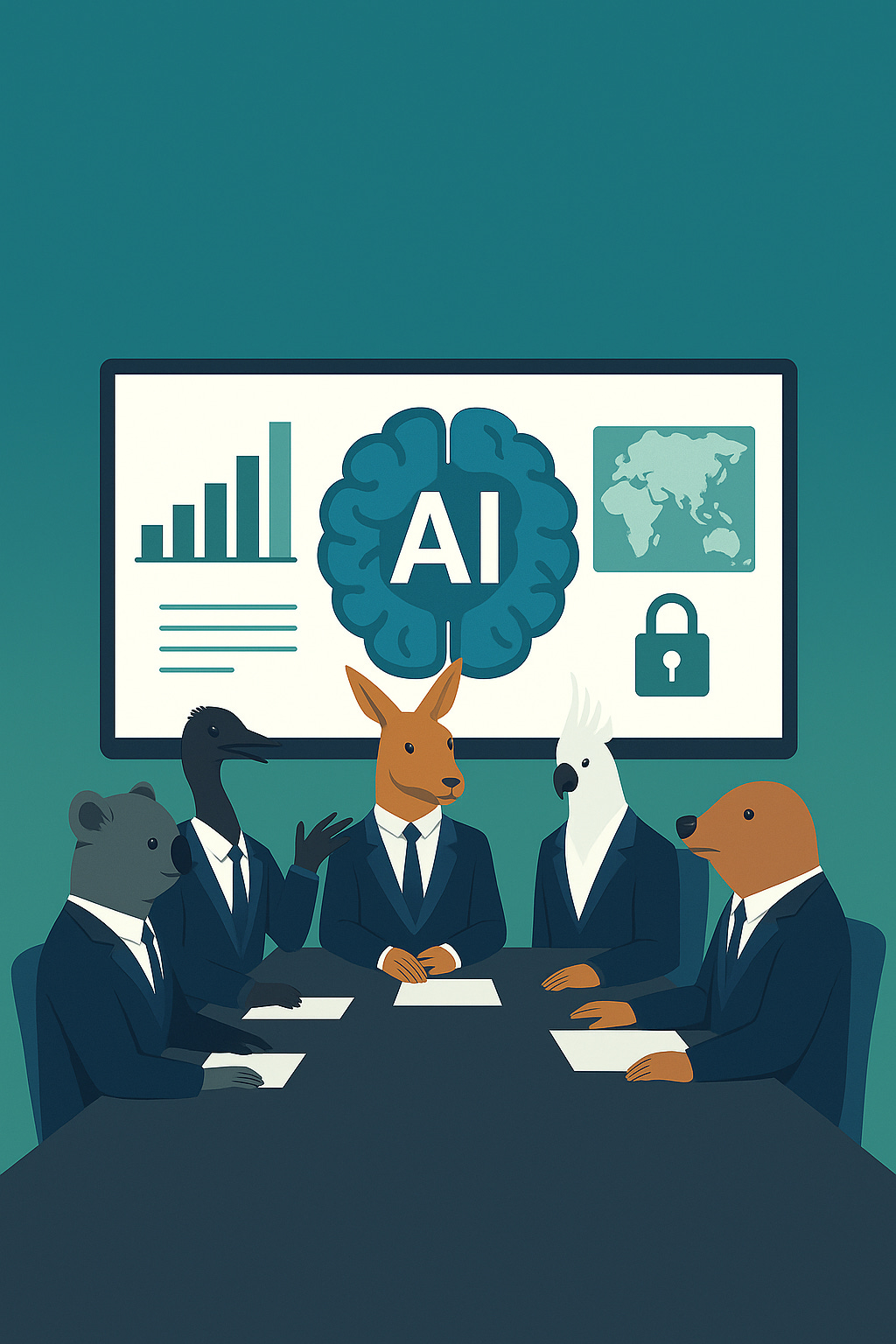
I’ve spent years working with boards across Australia and meeting investors and directors globally, and I can tell you, AI is no longer just a CTO topic. It’s right here in the boardroom, because it’s reshaping our risk landscape, and for some organisations, it’s already a governance crisis.
From Samsung to Woolworths and Bunnings: Lessons in AI Risk
In South Korea, Samsung’s Board banned staff from using ChatGPT after engineers accidentally leaked sensitive source code. In less than three weeks, multiple breaches occurred and some of the company’s most valuable IP was exposed.
Here in Australia, Woolworths faced a $140 Million hit when a 17-day worker strike erupted over AI surveillance and wearable tech. Bunnings has been caught using facial recognition without proper consent, triggering a Privacy Commissioner ruling and forcing them to destroy our personal data.
The message is clear: the AI boardroom moment isn’t coming, it’s here. But do you have at least 3 AI Savvy Directors? This is what public tech company Non-Exec and Chair of Climate Governance Initiative, Sweden-based Liselotte Engstam, demands you should.
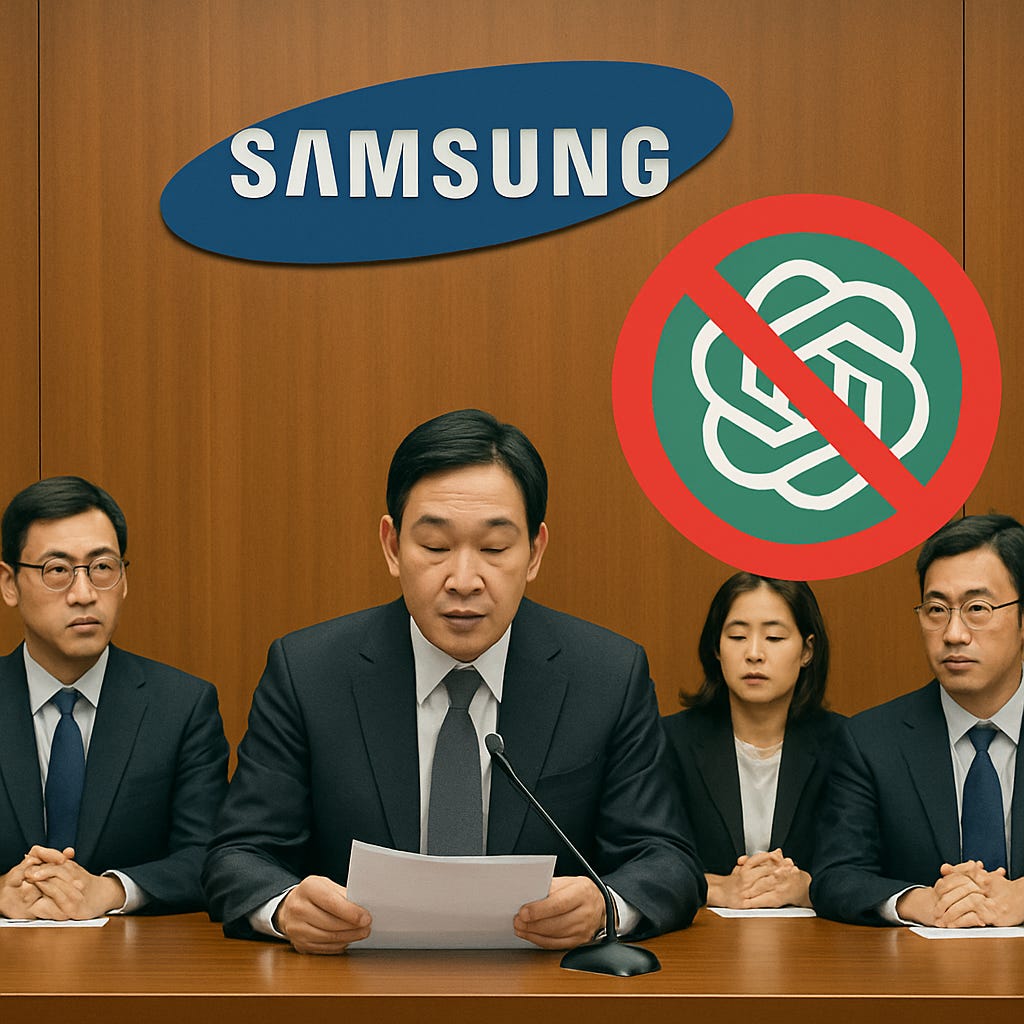
Image: ChatGPT (Samsung banned ChatGPT)
The Bigger Picture: An AI Duopoly
In Australia, we know what happens with a duopoly, Royal Commission for price gouging, supplier bullying and damn right poor ethics.
Globally, the US and China control 90% of the AI ecosystem, including the majority of patents, platforms, and data pipelines. Australia is a net importer of AI models, over 95% of what our businesses use is built and hosted offshore.
That dependency is a sovereignty risk. Without homegrown AI capability, we’re rule-takers, not rule-makers.
The Digital & AI Sovereignty Imperative
The Australian Government has moved, from establishing the National AI Centre to releasing AI safety standards. But government action doesn’t equal governance readiness. Boards need to set their own positions, policies, and priorities before AI is embedded in every decision-making process. Australia is trialling OpenAI in one agency, the Founder of OpenAI is Trump’s right hand man for all things AI, so let’s not hope our government data is syphoned to the White House?!
Globally, there are models we can learn from. Switzerland’s AI Initiative, with over 800 researchers and 20 million GPU hours on a supercomputer, with 10 research orgs across Europe is the largest open science effort for foundation models. Singapore’s AI Singapore program shows how national coordination can accelerate capability while aligning with societal values.
How might Australia think about it’s own LLM? Could the $4.3 Trillion in Superannuation Funds consider reshaping the Australian economy?
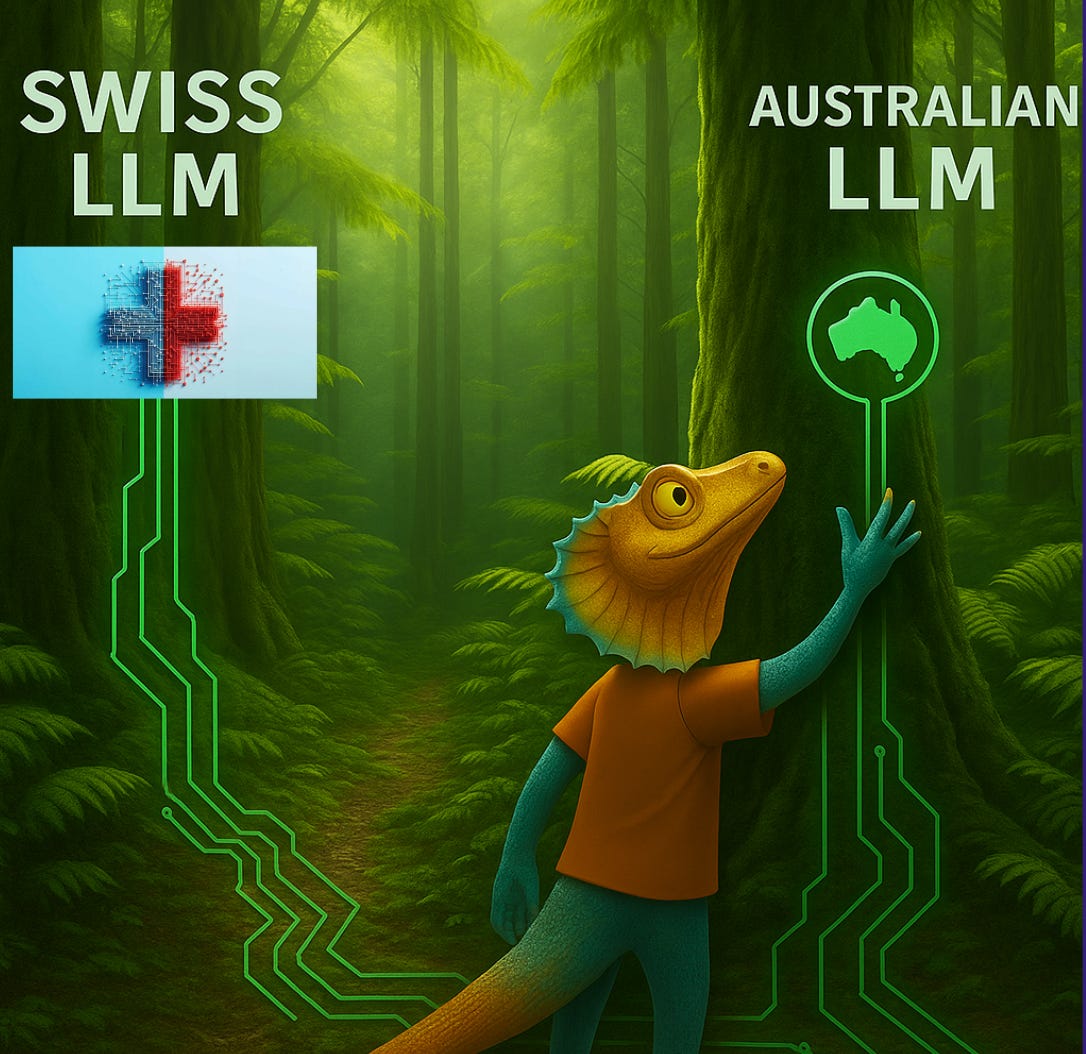
Swiss LLM collaborates with 10 EU Universities; Australia’s LLM opportunity awaits.
The Non-Executive Director’s AI To-Do List:
If you’re a Director today, here’s what you should be doing right now:
Understand your exposure, where AI is already in use, and where it might be silently creeping in.
Set your AI position, don’t wait for government regulation to define your guardrails.
Invest in AI literacy, AI governance is as much about asking the right questions as having the right tools. (Learn Global AI Governance)
Our 2030 Opportunity for Australia
If we get this right, AI and frontier tech could add $1 trillion to Australia’s economy by 2030. Generative AI alone could be worth $100 billion annually. Food and agriculture can add $200 billion and create nearly a million jobs.
But that future depends on capability and trust. We can’t build a sovereign AI economy if we’re just bolting AI onto old systems and old thinking.
Reflection Questions
What does Responsible AI mean for us, specifically?
Where are our blind spots as Directors?
Are we going to continue to be a tech consumer or how might we pivot to become a tech maker? (Our GDP demands we shift)